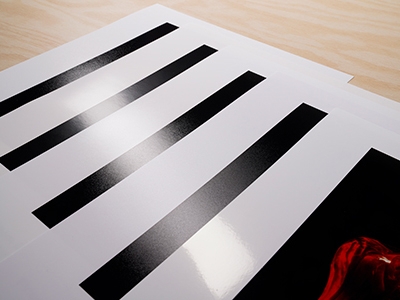
Many photographers spend hours editing an image, then choose photo paper based solely on price or availability. However, the finish of the paper can dramatically change how a print looks under real-world lighting.
In this guide, we'll compare five premium resin-coated (RC) photo papers:
- Gloss
- Luster
- Silk
- Satin
- Arctic
Since the base paper and coating quality are similar, the primary difference is surface finish and how it interacts with light.
Understanding Photo Paper Finishes
Before comparing finishes individually, it's important to understand one principle:
The more reflective a surface is, the more vibrant and contrasty a print appears - but also the more visible reflections and fingerprints become.
The finishes below exist on a spectrum from maximum gloss to maximum glare control.
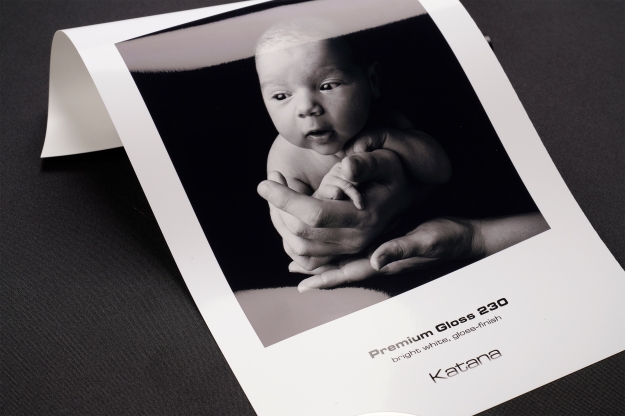
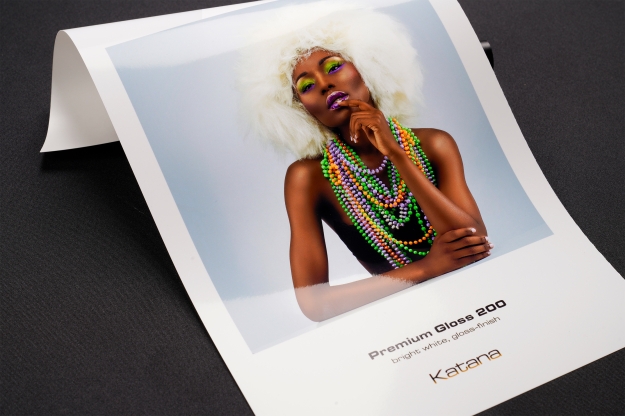
Gloss Photo Paper
Characteristics
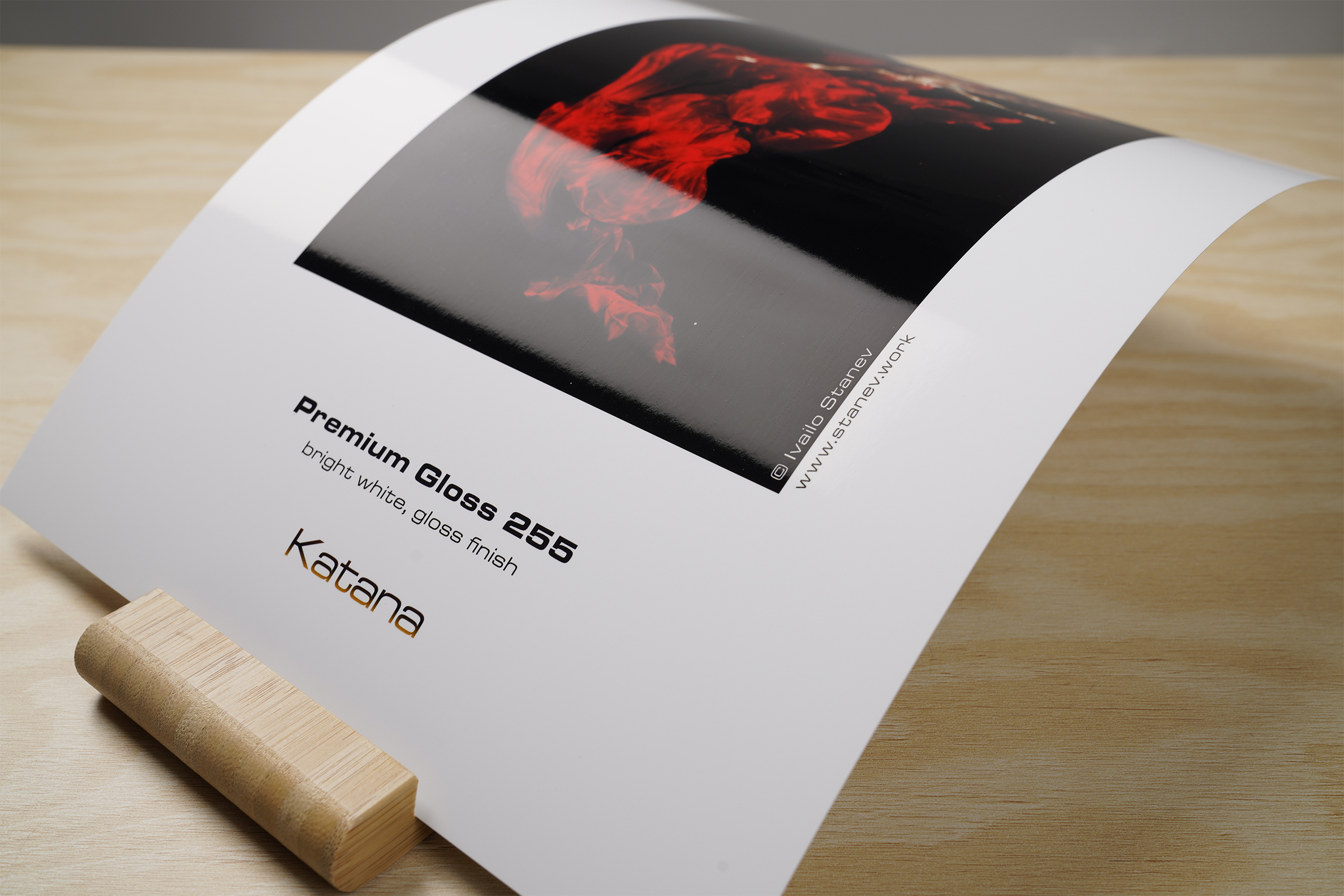
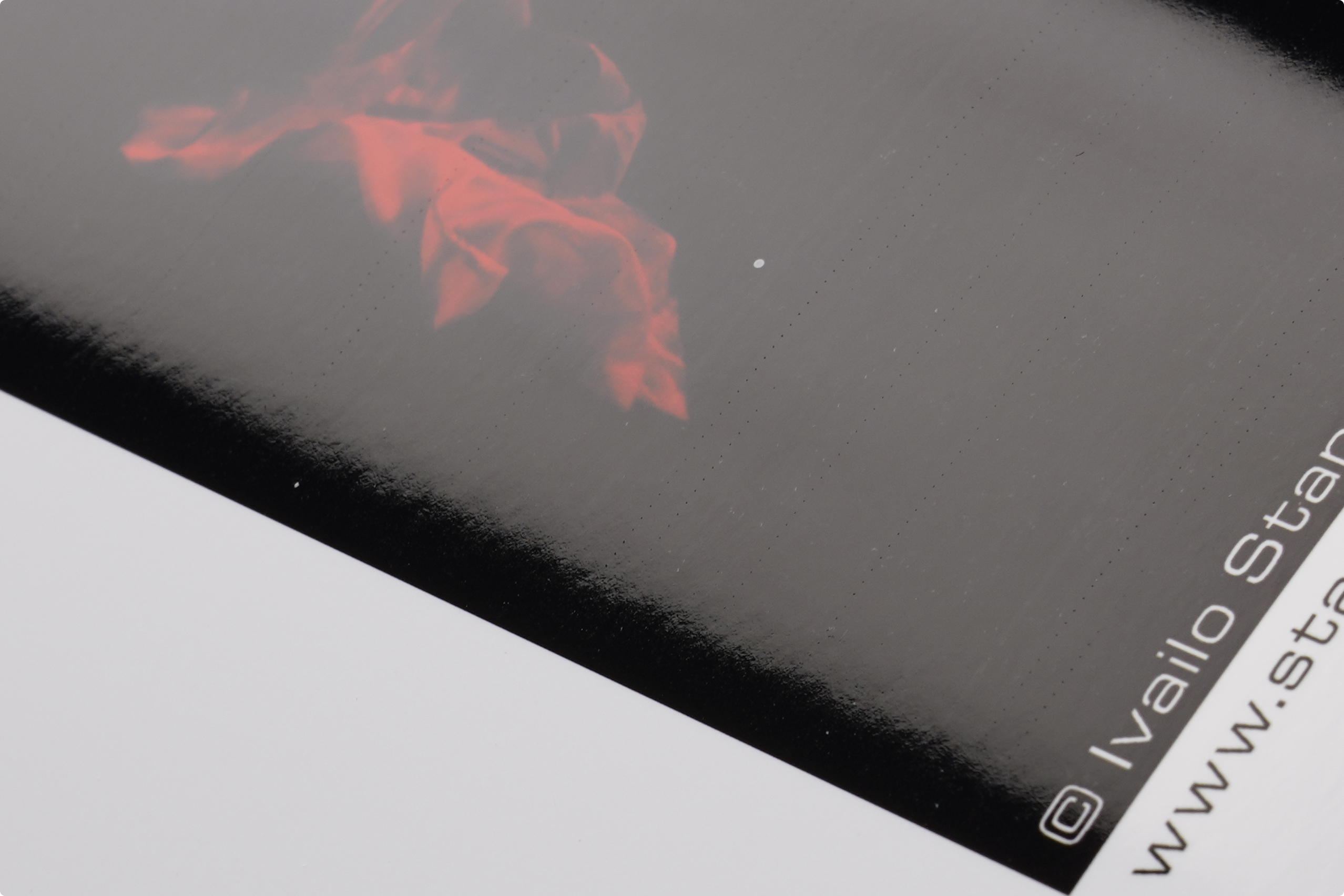
- Highest reflectivity
- Deepest blacks
- Strongest perceived contrast
- Most saturated colors
- Completely smooth surface
Advantages
✓ Maximum image impact
✓ Excellent for colorful photography
✓ Makes blacks appear deeper
Disadvantages
✗ Strong reflections
✗ Fingerprints show easily
✗ Difficult to view under bright lighting
Best For
- Landscapes
- Travel photography
- Commercial prints
- Images with vibrant colors
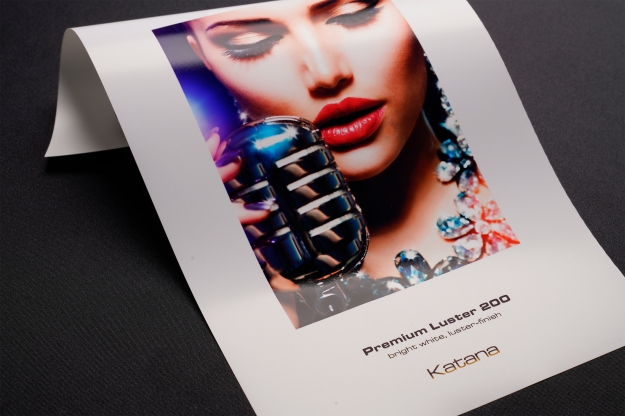
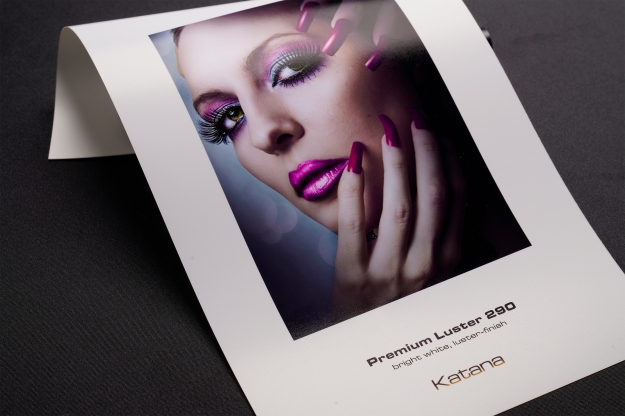
Luster Photo Paper
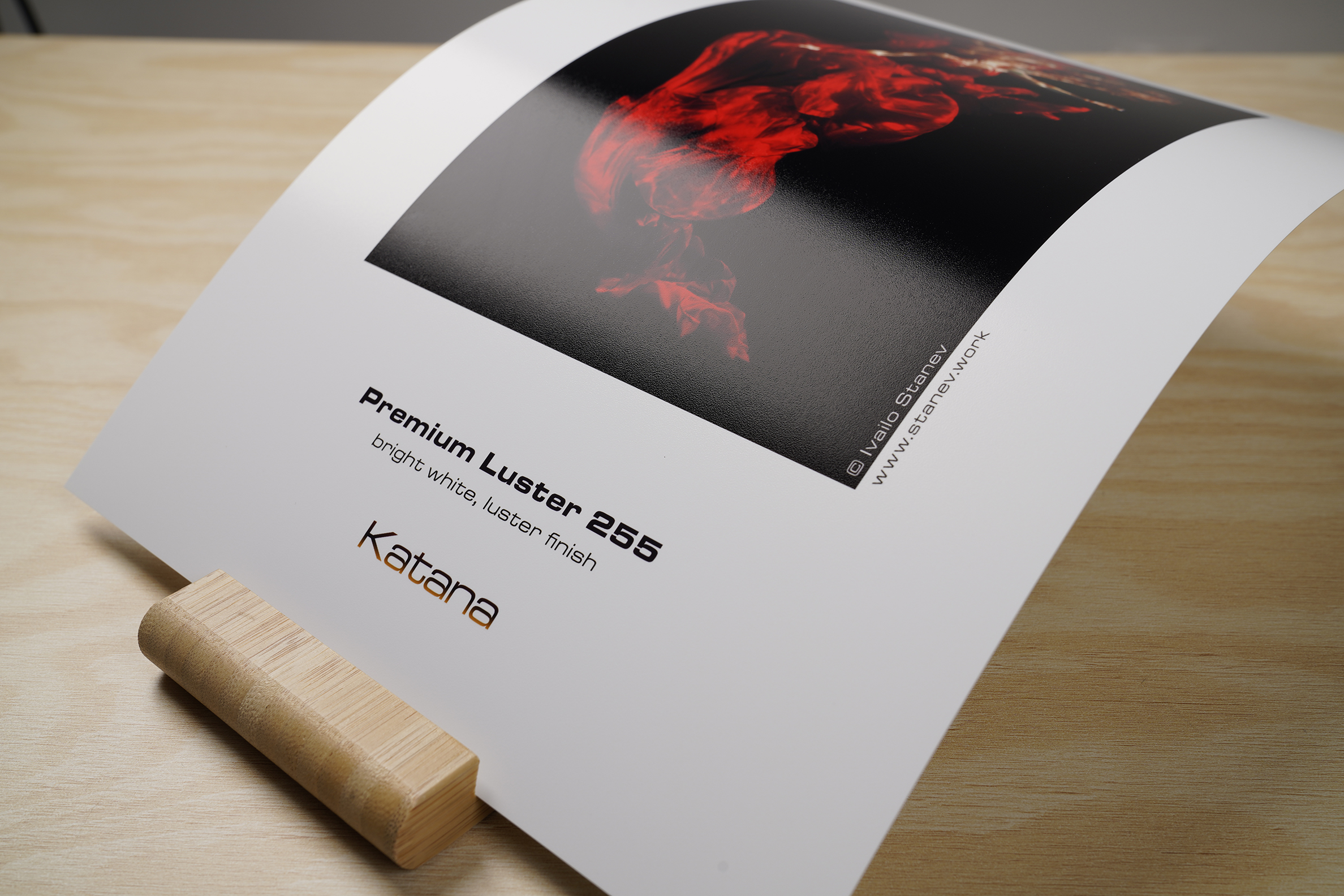
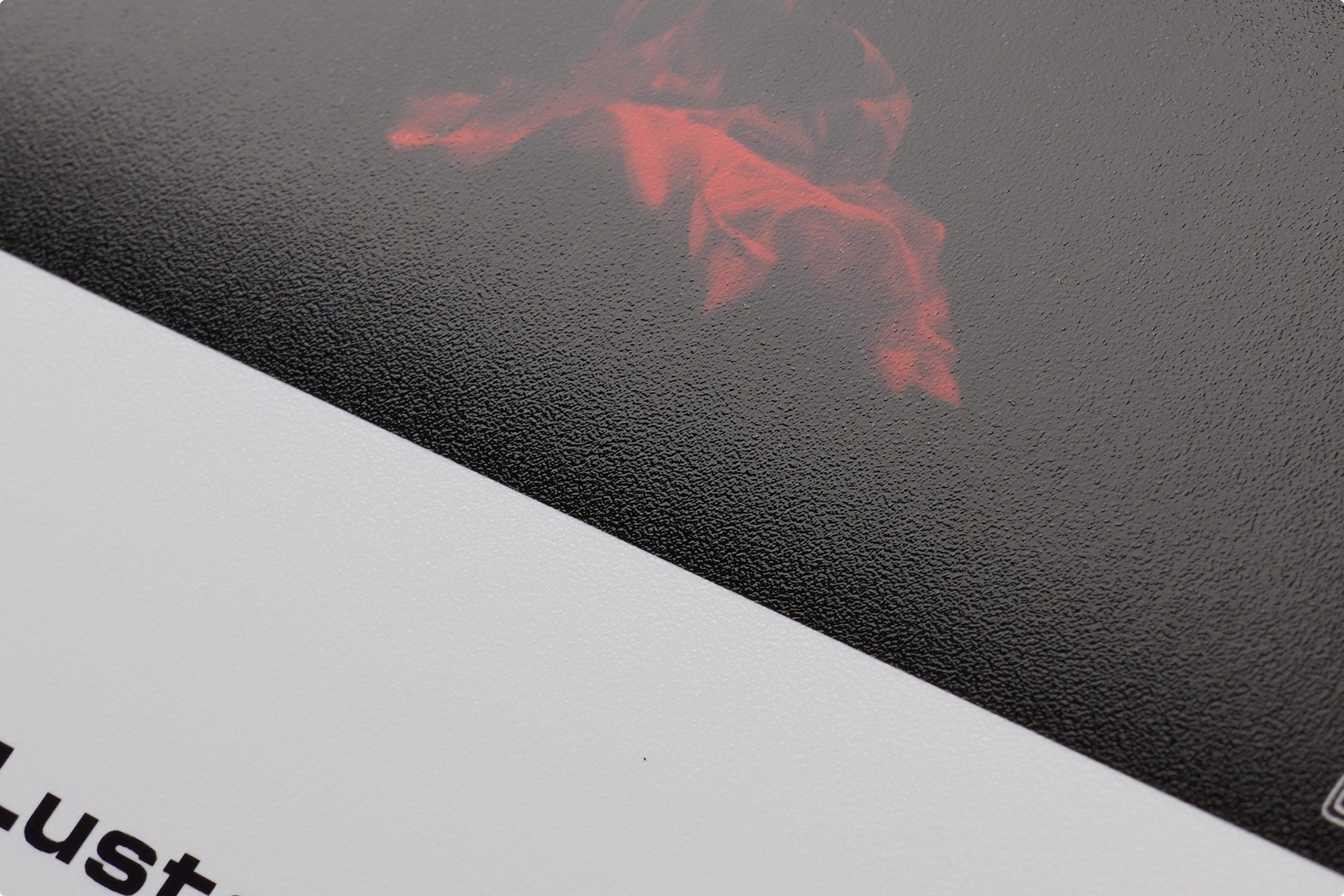
Characteristics
- Lower glare than gloss
- Orange-peel style texture
- Good balance between vibrancy and practicality
The subtle texture breaks up reflections while retaining much of the visual punch of gloss.
Advantages
✓ Reduced glare
✓ Fingerprints less visible
✓ Excellent all-purpose finish
Disadvantages
✗ Slightly less "pop" than gloss
✗ Texture may be noticeable on some images
Best For
- Wedding photography
- Portraits
- General-purpose printing
- Photo albums
Silk Photo Paper
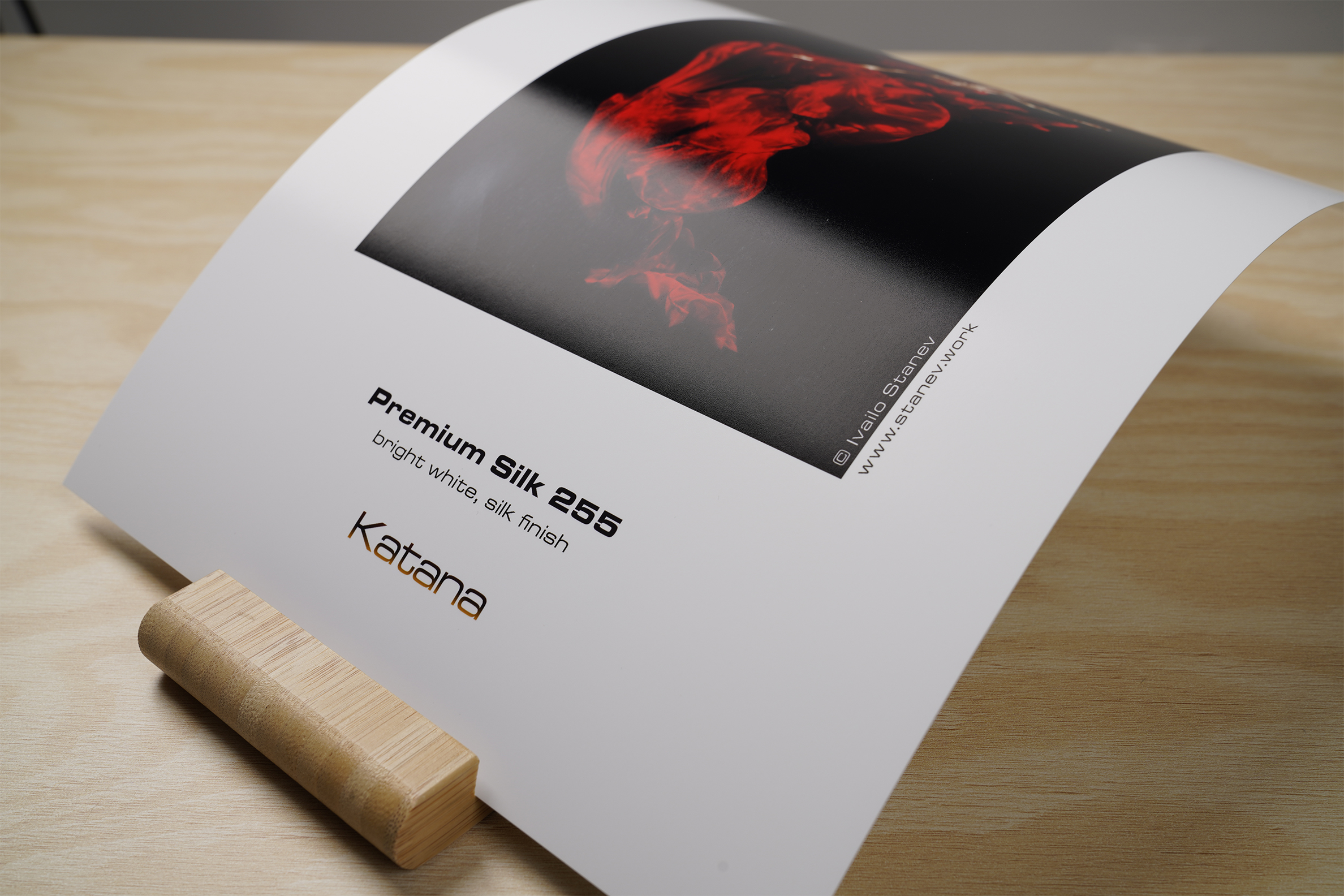
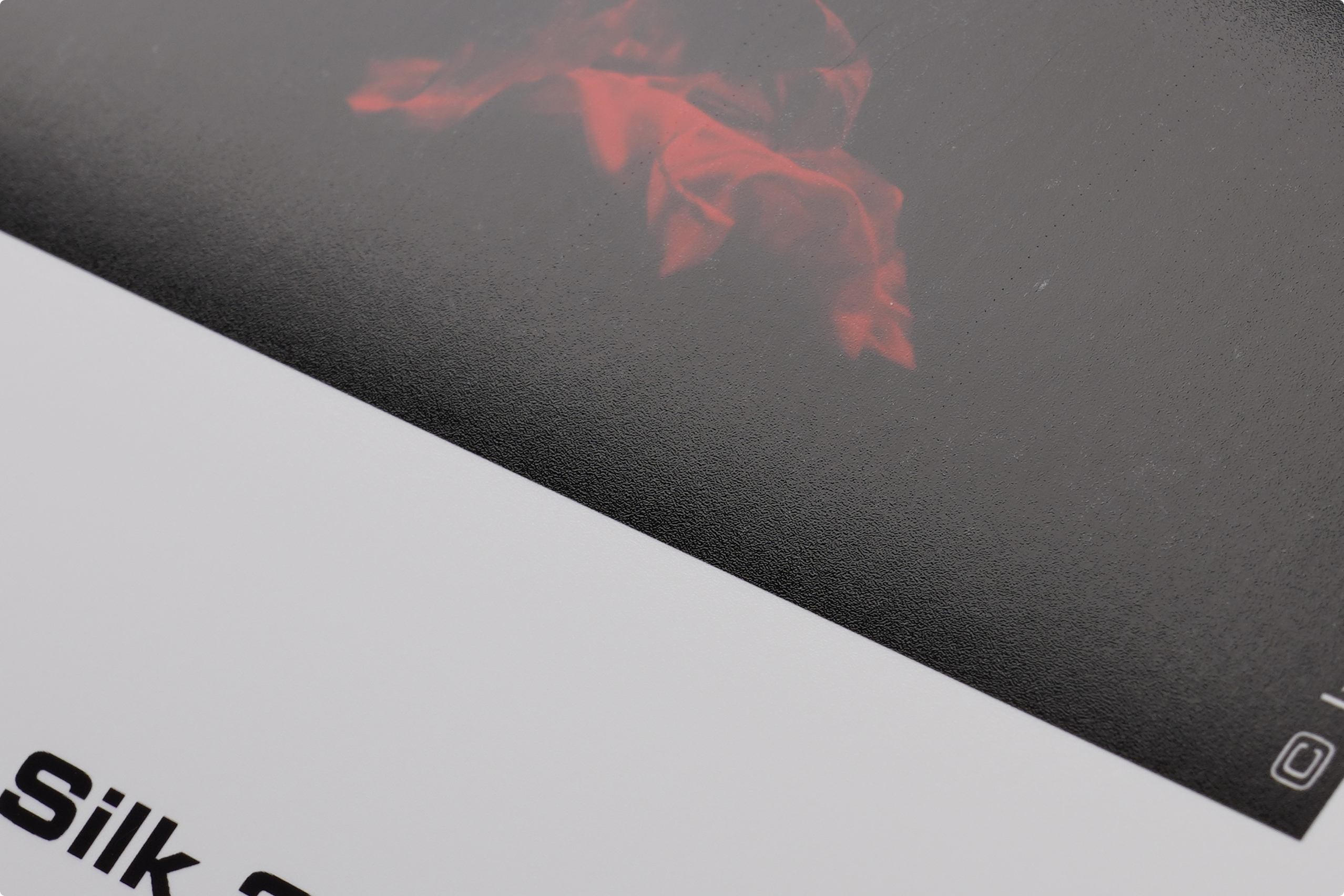
Characteristics
- Fine textured surface
- Similar concept to luster
- More refined texture pattern
- Softer reflections
Silk is often preferred when photographers want texture but don't want the more pronounced orange-peel look of traditional luster.
Advantages
✓ Elegant appearance
✓ Controlled reflections
✓ Texture remains subtle
Disadvantages
✗ Slightly reduced sharpness perception compared to gloss
Best For
- Fine art photography
- Portrait work
- Professional print sales
Satin Photo Paper
Characteristics
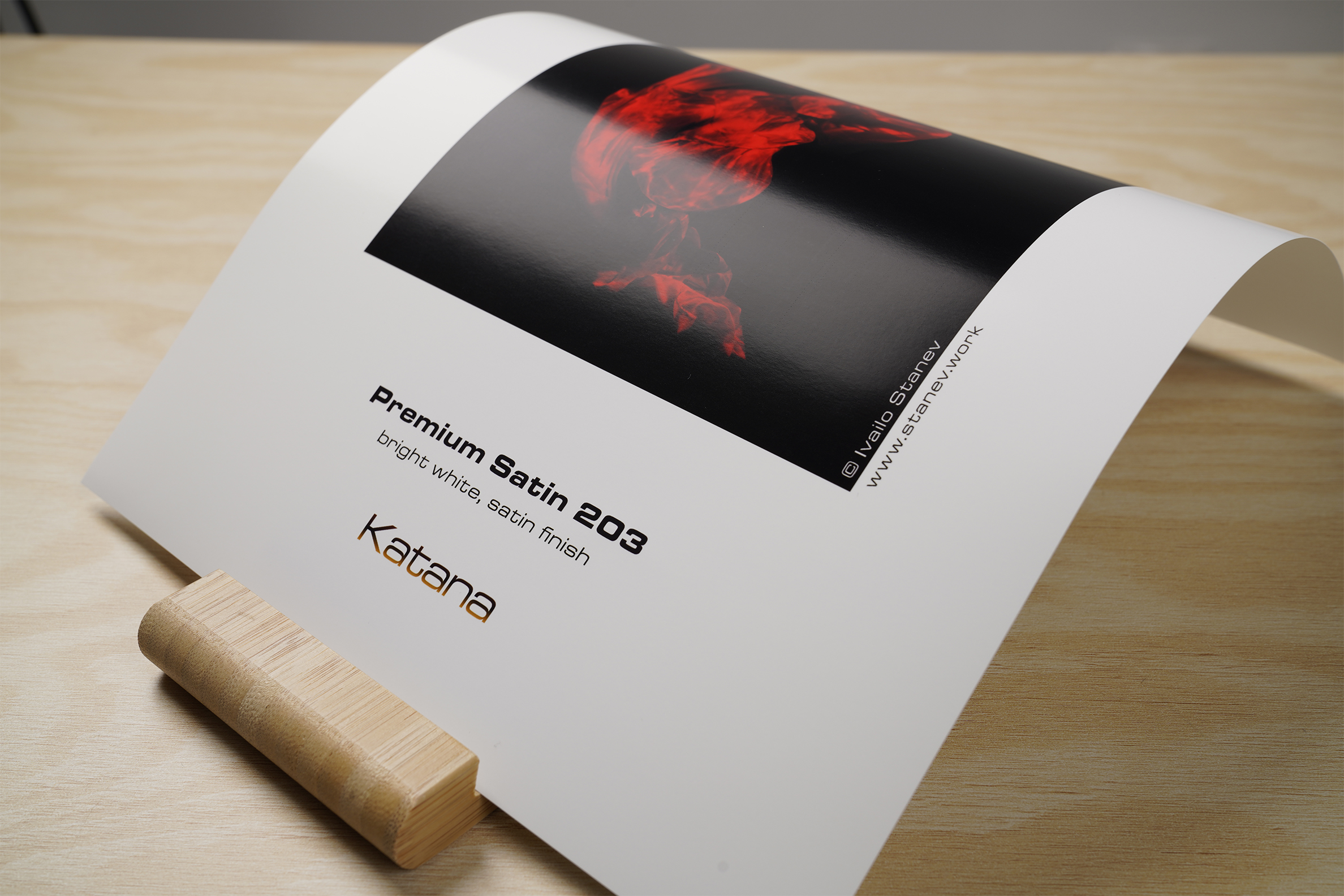
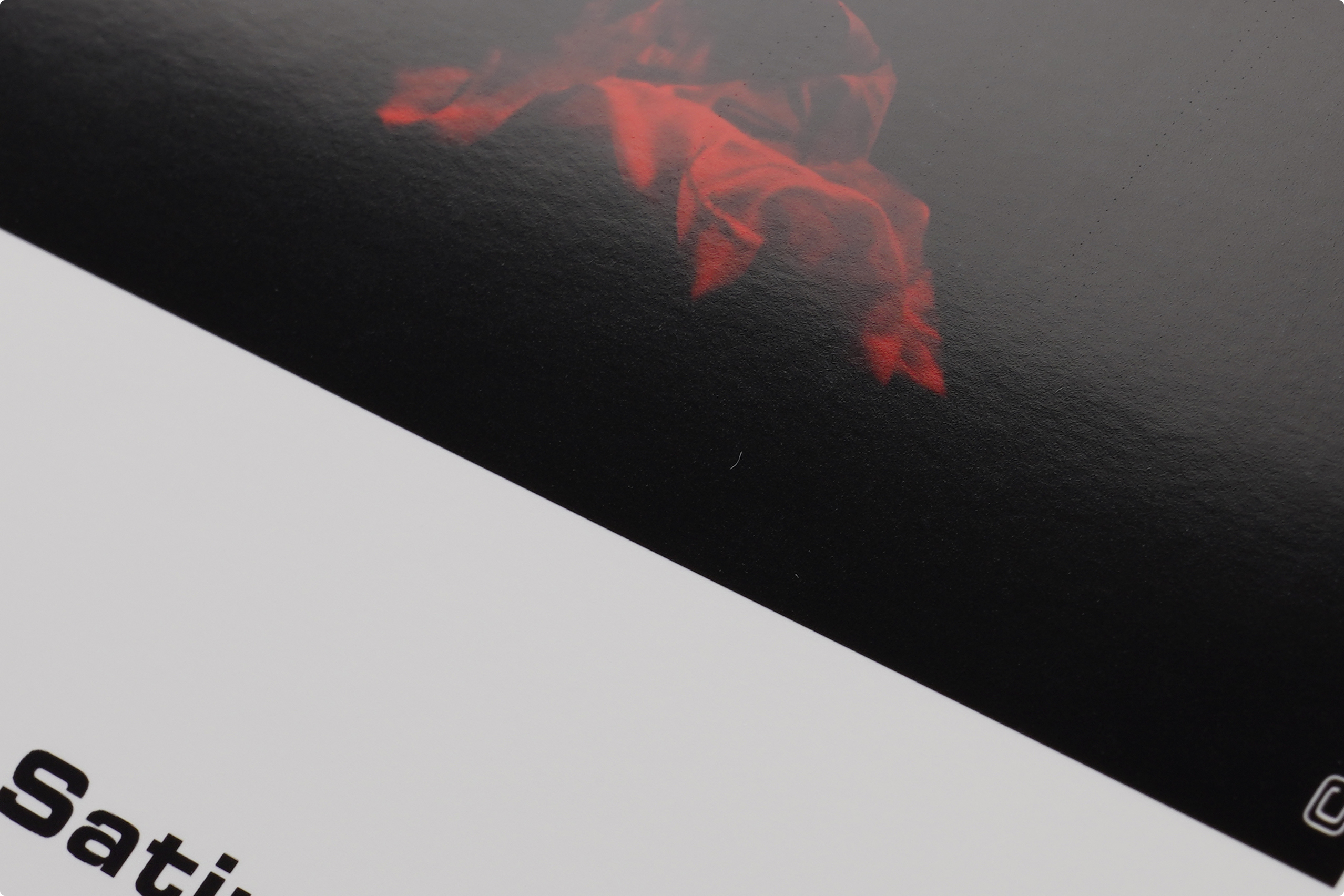
- Semi-gloss finish
- Almost matte appearance from some angles
- Retains a gentle sheen
- Very subtle warm/yellowish tint compared to other finishes
Unlike true matte papers, satin still preserves good contrast and color depth while dramatically reducing reflections.
Advantages
✓ Very comfortable viewing experience
✓ Minimal glare
✓ Premium, understated look
Disadvantages
✗ Slightly less punchy than gloss or luster
✗ Warm tint may subtly influence image presentation
Best For
- Black and white photography
- Gallery displays
- Home décor prints
- Images viewed under varied lighting
Arctic Photo Paper
Characteristics
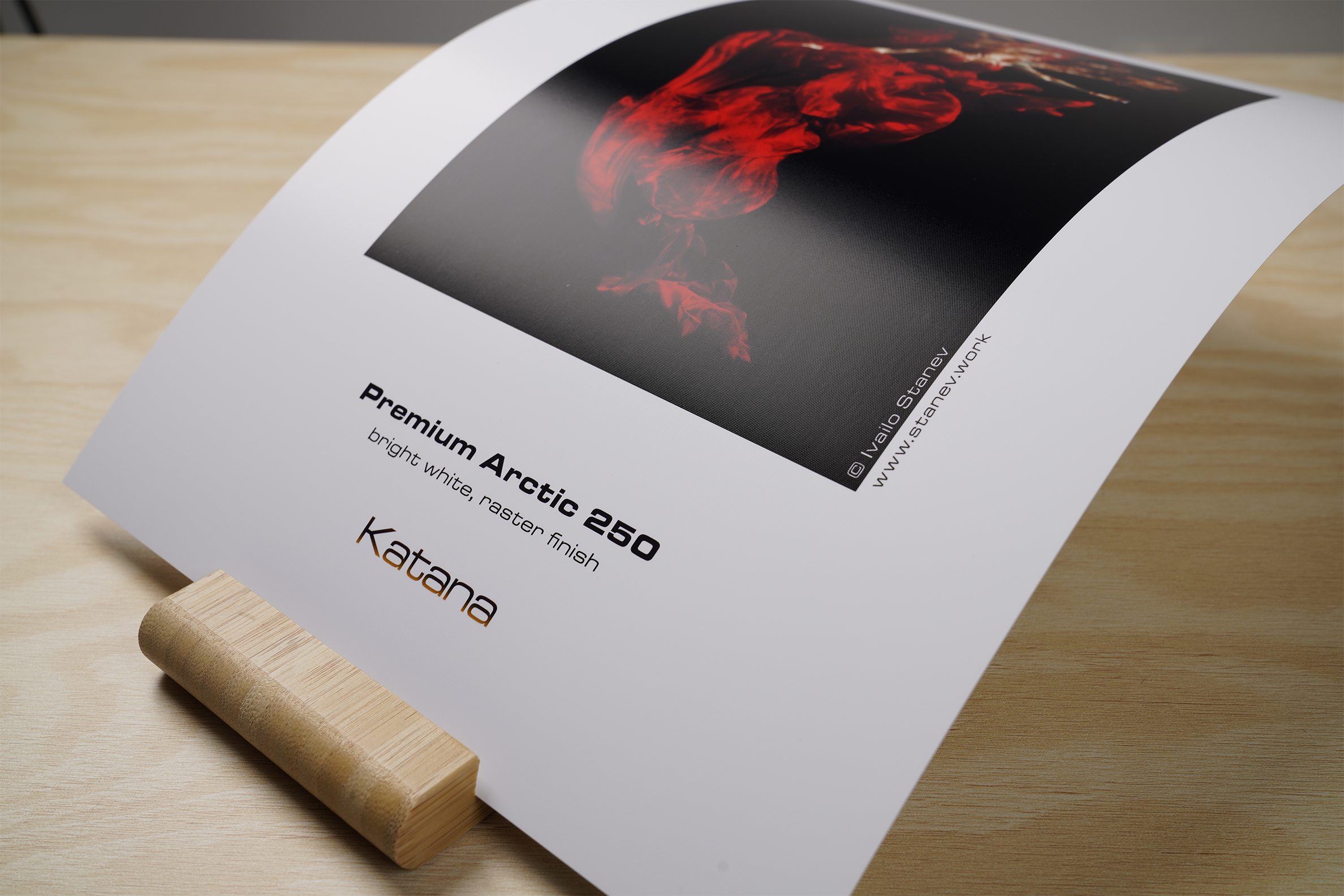
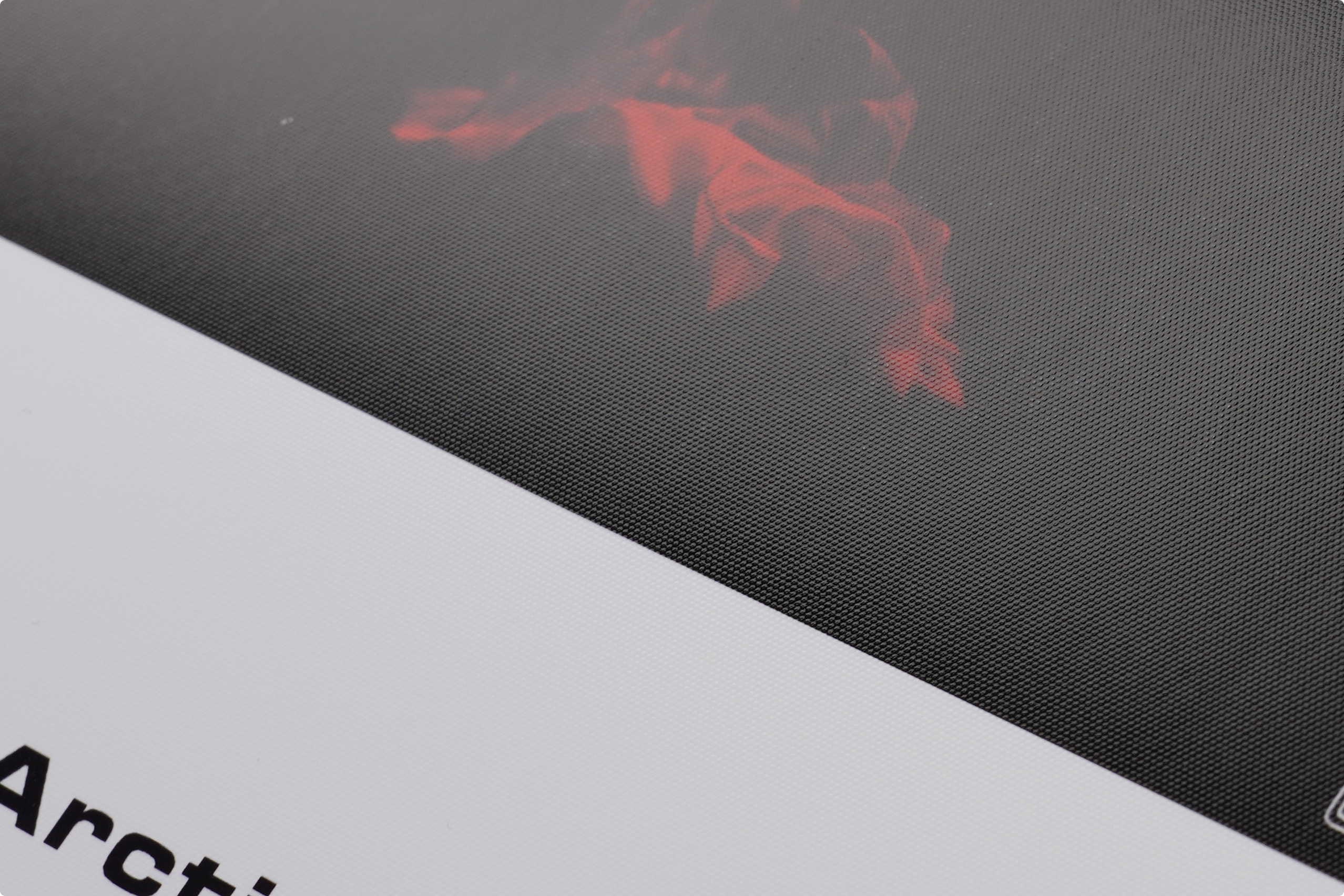
- Distinct pyramidal raster texture
- Lowest perceived reflections among these finishes
- Strong surface character
The textured surface scatters incoming light in many directions, helping reduce distracting glare.
Advantages
✓ Excellent glare control
✓ Unique tactile feel
✓ Adds physical character to prints
Disadvantages
✗ Texture becomes part of the image experience
✗ Not ideal when maximum detail visibility is desired
Best For
- Fine art prints
- Exhibition work
- Large wall displays
- Images viewed in bright environments
Which Finish Should You Choose?
There is no universally "best" finish. Since all five papers share the same premium RC base, the choice comes down almost entirely to how you want the print to interact with light.
Choose Gloss if...
You want the most vibrant and impactful print possible.
Choose Luster if...
You need a versatile finish that balances image quality and practicality.
Choose Silk if...
You like a refined textured look without obvious surface patterning.
Choose Satin if...
You prioritize viewing comfort and a premium gallery-style presentation.
Choose Arctic if...
You want maximum glare control and don't mind the texture becoming part of the artwork.
Post comment